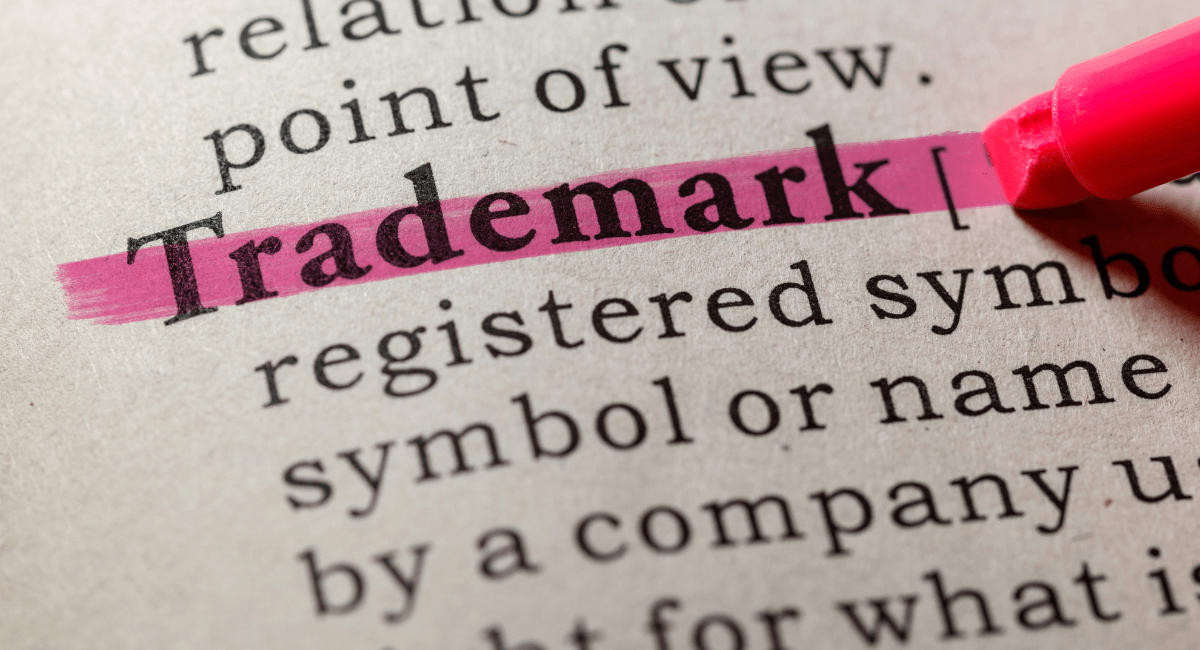
Most people think of a trade mark as a business name or logo, but it can extend further. A trade mark may include words, colours, shapes or even sounds, provided it identifies your business as the source of particular goods or services.
That function is critical. A trade mark operates as a “badge of origin”, signalling to customers where a product or service comes from and helping them choose between competing options.
The way you instinctively identify Vegemite® rather than Marmite®, or Coke® instead of Pepsi®, is a direct result of effective trade mark use.
For any business, that ability to stand out is fundamental. A clear and recognisable trade mark helps build customer trust, reduces confusion in the market and supports repeat purchasing decisions. It also protects customers from being misled into buying inferior products that appear similar.
A trade mark is not just a branding tool – it is a form of intellectual property. As your reputation grows, so too does the value of your brand. Customers may be willing to pay more for goods or services they recognise and trust, which means a well-established trade mark can become a significant commercial asset. In many cases, it is one of the most valuable assets a business owns, particularly when it is sold.
In New Zealand, trade mark registration is governed by the Trade Marks Act 2002 and administered through the
Intellectual Property Office of New Zealand.
Registering a trade mark provides the exclusive right to use the trade mark in New Zealand for the goods or services covered by the registration. It also allows you to use the ® symbol and makes it significantly easier to take action if another party uses a confusingly similar mark.
Registration offers practical advantages beyond enforcement. Because the register is publicly searchable, it discourages competitors from adopting similar branding in the first place. It can also support your position if disputes arise over branding, company names or domain names.
However, not every mark can be registered. To qualify for trade mark protection, the mark must be distinctive. A mark that simply describes the goods or services, or that others may legitimately need to use, is unlikely to be accepted. For example, “sweet” for ice cream is descriptive, and “Bluff” for oysters may raise issues as a geographical reference. By contrast, “apple” works as a trade mark for computers because it is distinctive in that context.
A common misconception is that registering a company name or domain name provides brand protection. It does not. A company name registration does not prevent others from trading under a similar name, and a domain name is simply an address. A registered trade mark is what gives you the legal right to stop others using a confusingly similar brand.
For most businesses, the cost of registering a trade mark is modest when compared with the value of the protection it provides. Taking steps early to secure your brand can prevent costly disputes later and help preserve the goodwill you build over time.