Who can apply?
Either spouse can apply for a dissolution provided that at least one of you is “domiciled” in New Zealand.
This means you consider New Zealand your permanent home, even if you're currently living overseas.
The marriage or civil union does not need to have taken place in New Zealand. The court has jurisdiction to dissolve marriages and civil unions that take place elsewhere (as long as one party is domiciled in New Zealand at the time that the application is made).
When to apply?
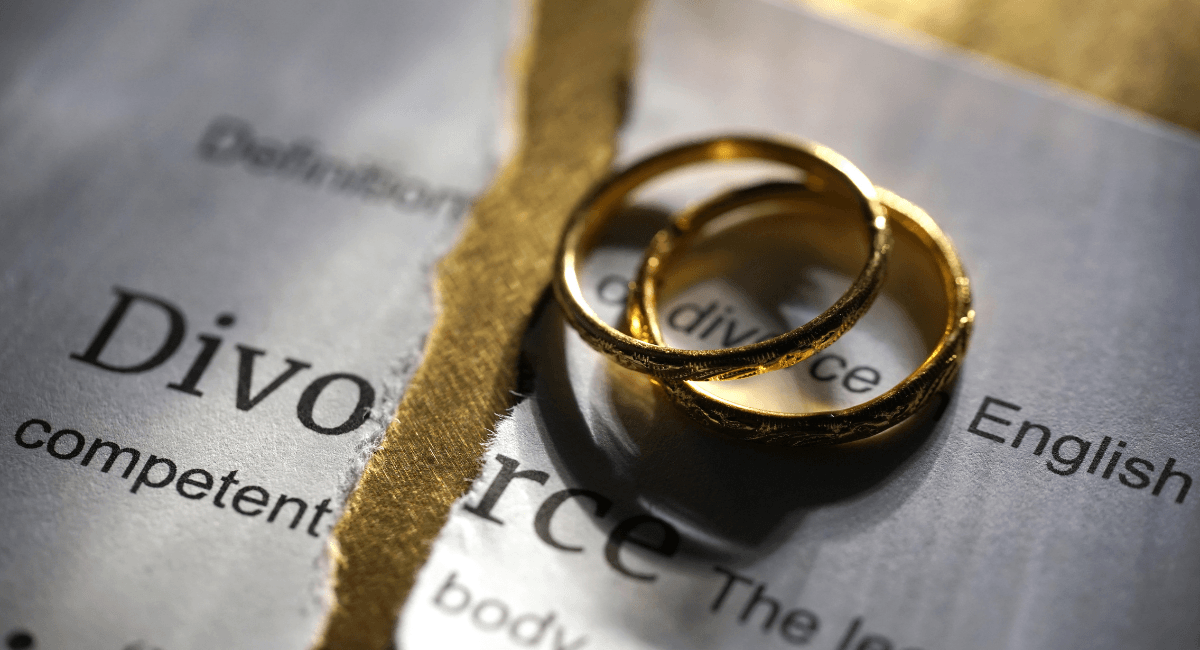
To apply for a dissolution, you and your former partner must have lived apart for at least two years immediately prior to the application (unless there is a final protection order in place in which case the period can be shorter).
This two year separation period is the only requirement. New Zealand follows a no-fault approach, meaning you don’t need to prove wrongdoing by either party. Other circumstances such as events that occurred during the marriage or civil union (i.e. abuse, extra-marital affairs, unresolved relationship property issues) are irrelevant considerations for the purposes of a dissolution (divorce) application.
How to apply?
You can apply for a dissolution together (a joint application) or on your own (a single application).
Joint applications are usually quicker, more cost efficient, and may not require a court appearance by you or your solicitor.
Single applications require that the other person be formally notified by personally serving them with a copy with the application. If you’re unable to locate your former partner (i.e. because they live overseas or are uncontactable) you can ask the court for permission to serve the documents in another way, such as by email or social media. If, after being served with the dissolution application, your former partner agrees to the dissolution, the process could still proceed without a hearing. If they contest it, a court hearing may be needed.
When is it official?
Once the Family Court approves your application, you’ll need to wait a further month before the dissolution is formally deemed “final”. At that time, you’ll receive a copy of the official sealed order confirming the end of your marriage or civil union.
What about property and children?
It’s important to know that a dissolution does not automatically settle matters like dividing property, childcare and custody arrangements and/or spousal maintenance. These issues need to be resolved separately, either through mutual agreement or by applying to the Family Court. If you’re dividing relationship property, you will need the guidance of a solicitor to certify any final relationship property agreement. If you require the court’s assistance with property division, your application to the court must occur within 12 months of the dissolution order unless the court grants you an extension.
Is it necessary?
Dissolution is not mandatory following separation. Some former couples may stay married or in a civil union for years beyond their separation (notwithstanding that they live independent lives and have separated financially). That said formally dissolving your marriage or civil union can offer some benefits such as helping lead to a fresh start and personal independence, providing relief from toxic or emotionally harmful relationships, and creating opportunities to remarry or enter new civil unions.